
How to Modernise a Period Cotswolds Home Without Losing Its Character
One of the most interesting parts of renovating an older house is deciding what should change and what should remain.
In the Cotswolds, that question can be particularly important. The appeal of a period property often lies in things that are difficult to recreate: the depth of an old stone wall, an uneven floor, the proportions of a room, original timber or simply the evidence of how the building has evolved over time.
A successful renovation should allow the house to work properly for contemporary life without polishing away everything that gave it character in the first place.

Begin by understanding what is already there
Before thinking about what to add, we look carefully at the existing building.
Some features have obvious architectural or historic value. Others are quieter, but contribute just as much to the atmosphere of the house. It might be the way the light falls through a deep window reveal, the variation within the stone, an old floor that carries the marks of use, or a slightly unusual room shape that tells you something about how the property developed.
Not every original feature needs to be retained simply because it is old. Equally, age and imperfection are often part of what gives these buildings their depth. The important part is understanding which elements contribute meaningfully to the character of the house before making decisions about them.
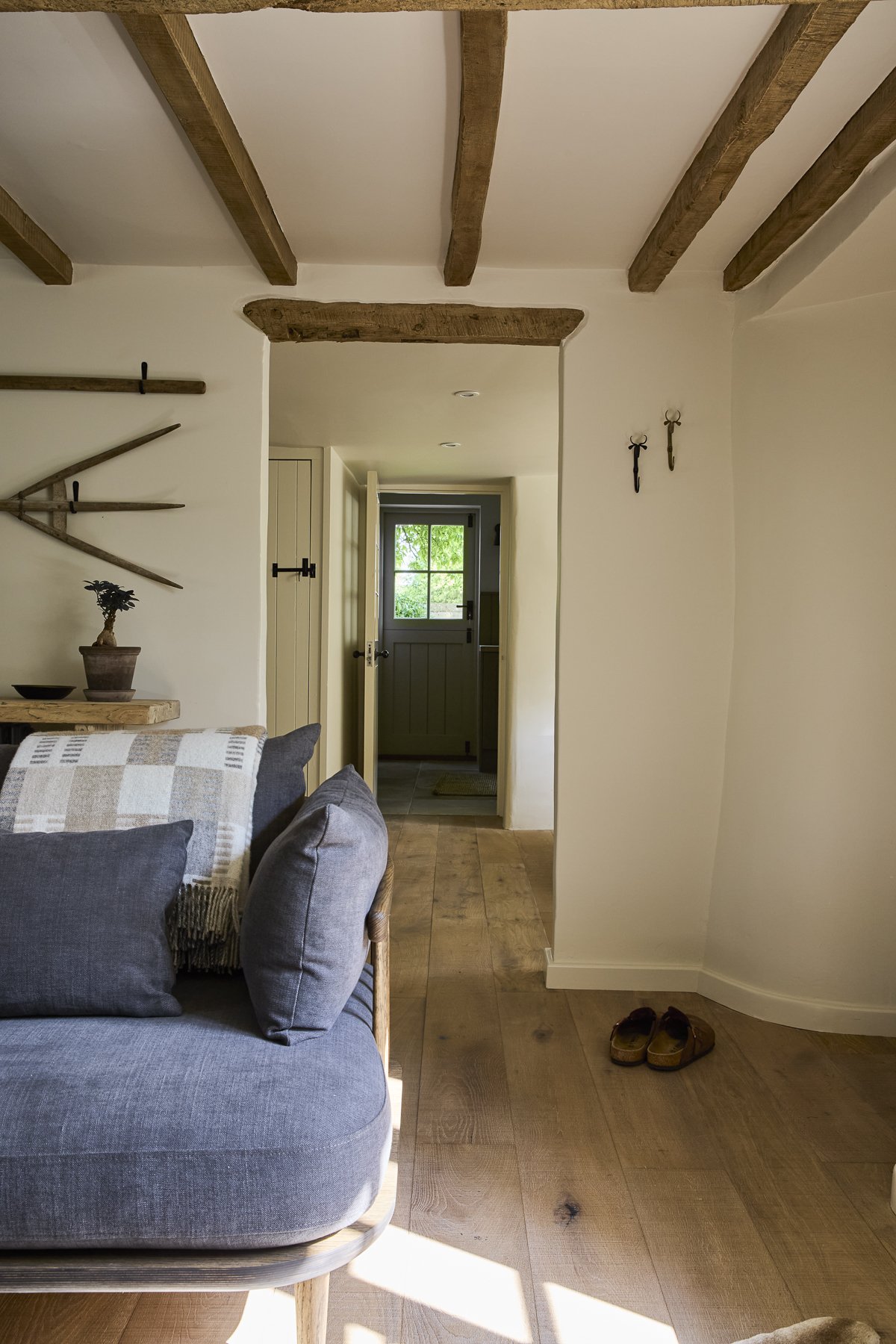
Make changes where they improve the way you live
Preservation should not prevent a house from being comfortable or functional.
Older homes were often designed around very different ways of living. Kitchens may be small or disconnected from family spaces. Storage can be limited. Rooms may have awkward circulation or doors positioned in places that make furniture difficult to arrange. Thoughtful changes can make a significant difference. Moving a doorway, improving the relationship between two rooms, introducing well-planned joinery or reconsidering how an underused space functions can allow an old house to support contemporary life without fundamentally changing its character.
The aim is not to preserve every detail untouched. It is to make changes with enough understanding that they feel as though they belong.
Let new and old sit comfortably together
A period property does not need a period interior.
We often find that contemporary furniture, lighting and joinery work particularly well within older buildings because the contrast allows both elements to be appreciated. What matters is proportion, material and detail. A contemporary piece of joinery can sit beautifully against an old stone wall if the scale and timber are right. A sculptural light fitting can bring clarity to a room without competing with the architecture. A cleaner piece of furniture can give a heavily textured space some visual quiet. Rather than recreating a particular period, we prefer to create a natural conversation between what is original and what is new.

Choose materials with depth
Natural materials tend to feel particularly comfortable in historic properties because they share some of the variation and irregularity already present in the building. Timber, linen, wool, aged metals and natural stone all develop character rather than relying on a perfectly uniform finish. Texture is important too. In a room with old plaster, stone or timber, an overly polished material can sometimes feel disconnected. Materials with a softer surface, visible grain or subtle variation tend to sit more naturally alongside historic fabric.
This does not mean every material needs to appear aged or traditional. Contemporary finishes can work very well when they have enough warmth and material integrity to hold their own.
We explore this relationship further in how to create an interior that feels connected to the Cotswolds landscape.
Think beyond individual features
It is easy to focus on whether one fireplace, door or floor should be retained. We find it more useful to consider what that feature contributes to the room as a whole.
Does it give the space proportion? Texture? A sense of age? Does it connect with something elsewhere in the house?
The most successful decisions are rarely made in isolation. A retained floor may influence the timber used for new joinery. Existing stone might inform the palette of another room. The proportions of original doors can help determine the scale of new architectural details. These relationships are what allow a renovated home to feel coherent rather than divided into an “old” building and a “new” interior.
For substantial renovation projects, it is also worth considering when to appoint an interior designer, particularly before layouts, lighting and services are fixed.
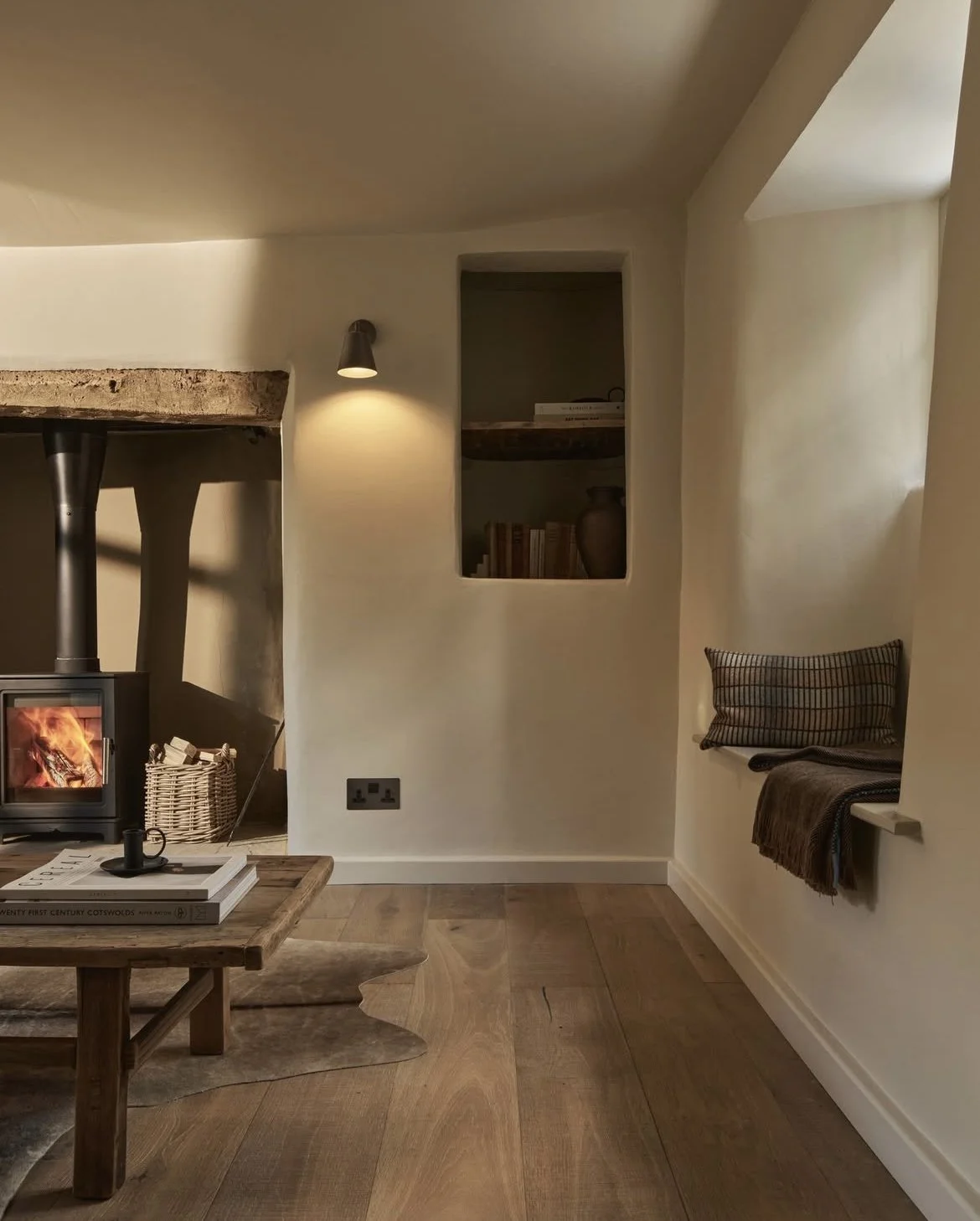
Allow the house to continue its story
Period houses have rarely remained unchanged throughout their lives. They have been extended, adapted and repaired as different generations have used them. A thoughtful contemporary intervention can become another layer within that history.
For us, the aim is not to make a house appear untouched.
It is to understand what deserves to remain, introduce what contemporary life genuinely requires, and make sure the two sit together with ease. The finished home should retain a clear sense of where it has come from while feeling completely relevant to the people living there now.
Planning the renovation of a period or characterful home in the Cotswolds? Kindly works with clients from the early design stages through to furnishing and installation.
