
How to Choose an Interior Designer for a Cotswolds Renovation
Choosing an interior designer means choosing someone who will get to know how you live, help you make significant decisions and work alongside you through a substantial investment in your home.
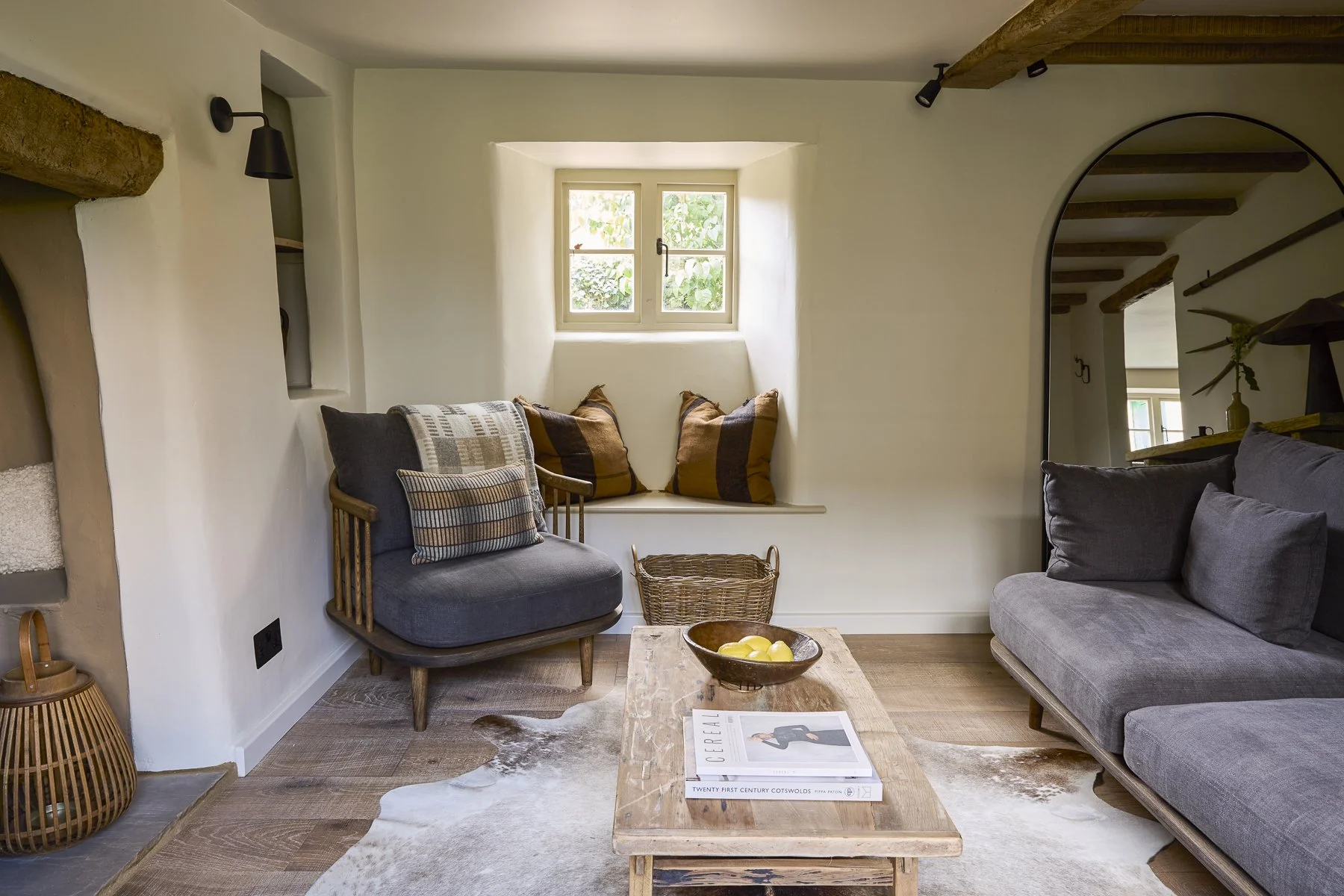
In the Cotswolds, that might involve adapting a stone farmhouse for family life, bringing coherence to a cottage extended over generations, or giving a newer house a stronger connection to its surroundings. Each calls for a different response.
A portfolio is a useful starting point. The conversations that follow should help you understand how a designer thinks, what their service includes and whether you would feel comfortable working together.
Look for an understanding of the building
When you look through a designer’s work, consider how they have responded to each property. Notice the relationship between the architecture, materials and furniture. Do the rooms feel comfortable in their setting? Can you see individual households reflected in the finished homes?
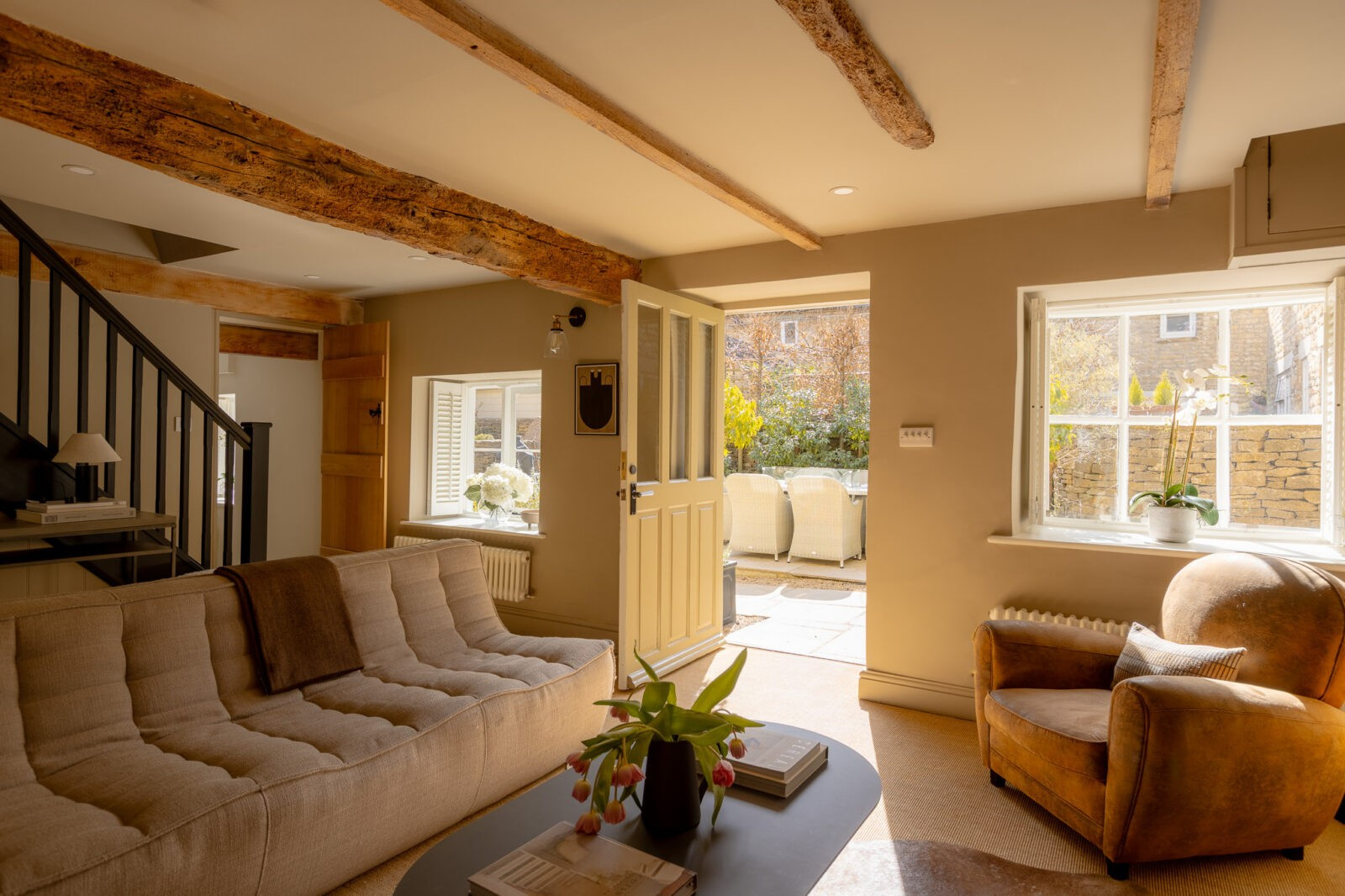
For an older Cotswold property, ask how they approach existing features, awkward layouts and changes in level. A deep window reveal, worn stone floor or unusually proportioned room can shape a scheme in interesting ways, provided the designer takes time to understand it.
Ask them to talk you through a relevant project: what was there originally, what the owners needed and why particular decisions were made. This will tell you more than photographs alone.
We explore this balance further in our guide to modernising a period Cotswolds home without losing its character.
Pay attention to the questions they ask
The first conversation should leave room for the ordinary details of your life.
Where do school bags land? How often do friends stay? Does someone need a quiet place to work? Do you cook while guests gather in the kitchen, or prefer to close the door on the washing-up?
These details influence layouts, storage, lighting and material choices. They also help a designer judge where to spend carefully and where a simpler solution will serve you well.
At Kindly, understanding those daily patterns is central to the brief. A room’s atmosphere matters, but so does having somewhere to put your glass, a comfortable reading light and upholstery you can relax into without worrying.
Understand what the service includes
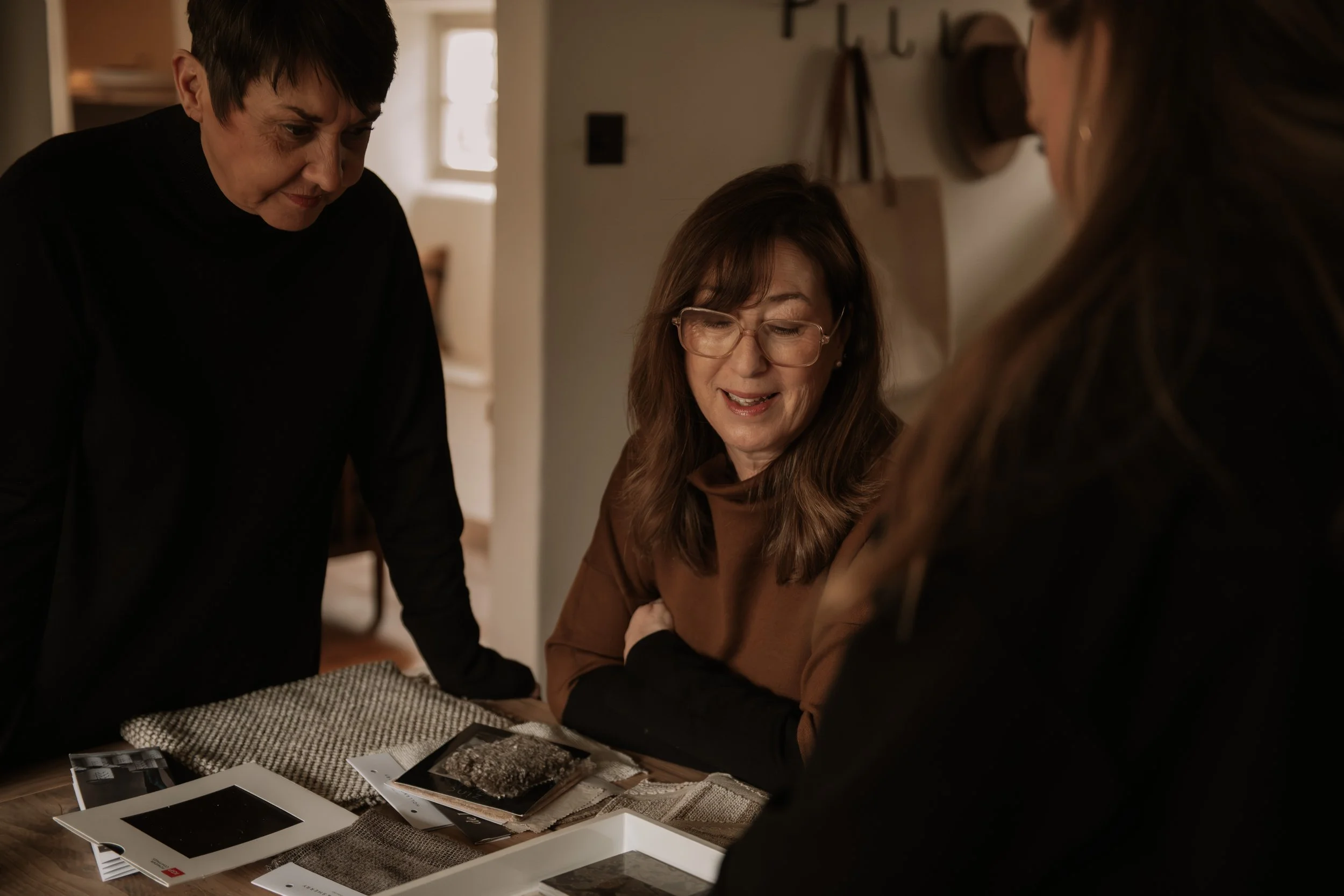
Interior design proposals can cover very different amounts of work. Before comparing fees, establish what each studio will deliver and how far they will remain involved.
For a renovation, useful questions include:
Will you develop furniture layouts before electrical and plumbing positions are agreed?
Which drawings, specifications and schedules are included?
How will you work with our architect, contractor and specialist makers?
Who will manage furniture orders, deliveries and installation?
What will we need to organise ourselves?
Ask who your regular contact will be, how decisions are presented and how queries during the build are handled. Clear responsibilities make it easier to understand both the proposal and the commitment required from you.
Have an open conversation about budget
Share your intended overall investment early, explaining what it needs to cover. Building work, kitchens, bathrooms, furniture, window treatments and professional fees all place different demands on the budget.
A useful initial conversation should establish whether your ambitions and available investment broadly align. Detailed costs take time to develop, but a designer should be able to explain how they approach cost planning, when figures become firmer and how they handle changes.
Ask how design fees, procurement charges and product pricing work, including any additional costs for storage or installation. You should feel comfortable asking questions and understand what you are agreeing to before proceeding.
If you are furnishing throughout, our guide to budgeting for the furnishing of a whole house explains what to allow for beyond the main pieces of furniture.
Bring a designer in while decisions are still open
If you are planning a substantial renovation, an interior designer can contribute while the layout is being developed.
Furniture positions affect how comfortably people move through a room. Joinery influences socket locations. Window treatments need space, and decorative lighting works best when considered alongside the furniture beneath it.
Discussing these relationships early gives your architect, builder and designer a shared direction. Ask prospective studios when they would ideally become involved and whether their availability fits your programme.
For more on timing, read when to appoint an interior designer for a renovation.
Choose someone you can speak openly with
A renovation involves many conversations, including moments when you may feel uncertain, change your mind or need to revisit costs.
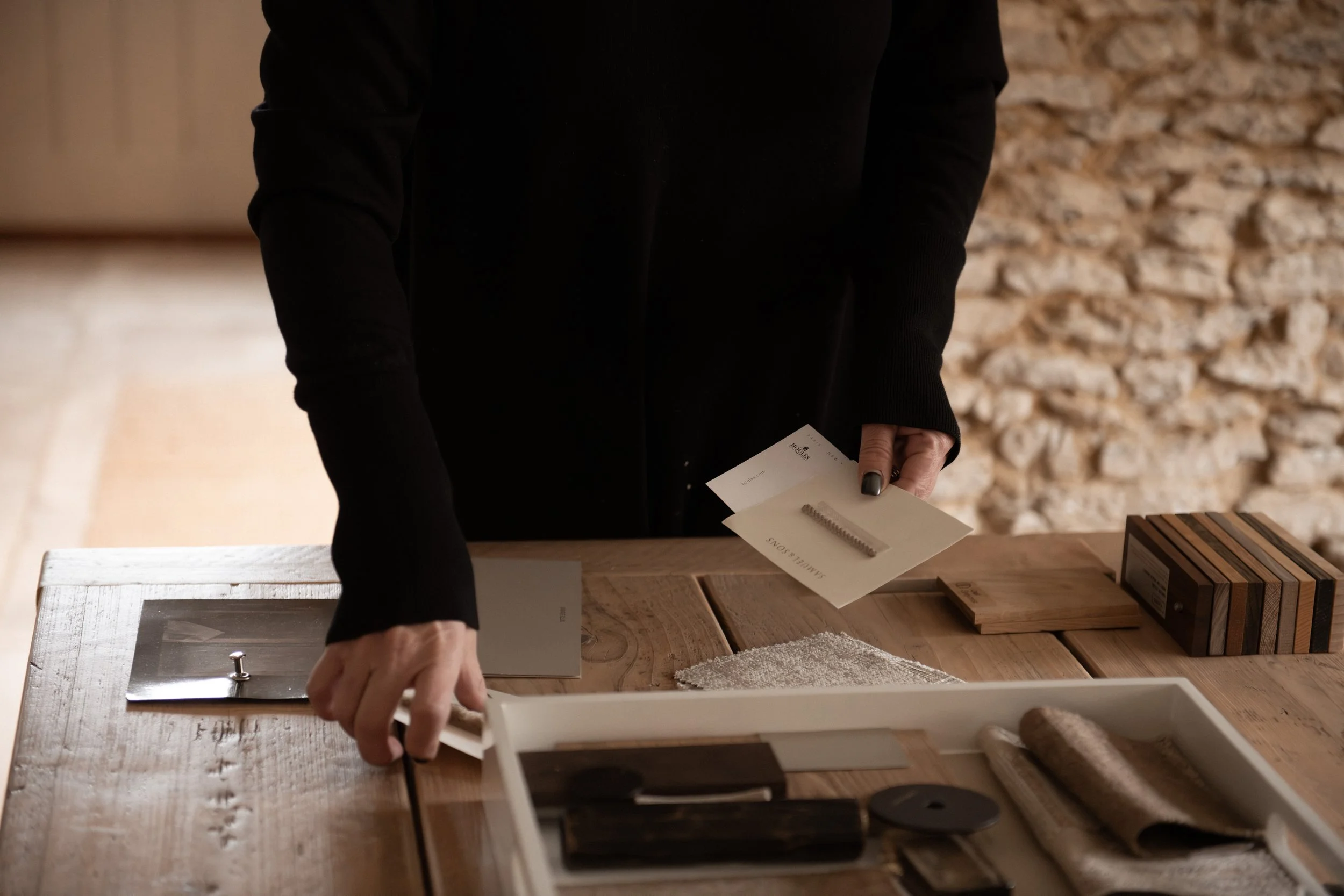
Choose a designer who listens carefully, explains their thinking and can guide you towards a decision without making you feel hurried. Ask to see how they present a scheme and, where possible, speak with a previous client about the experience of working together.
You should feel confident in their judgement and comfortable saying when something does not feel right for you.
Planning your Cotswolds renovation
Kindly is an interior design studio based in Burford, working with homeowners across the Cotswolds on renovations, extensions, new builds and complete furnishing projects.
Our work brings together natural materials, thoughtful layouts and furniture chosen for comfort, character and longevity. We consider the house and the household together, from the earliest plans through to the details that make everyday life easier.
Explore our interior design approach in the Cotswolds, or tell us about your renovation.
